
The Essential Dante & The Forgotten Realm
Two Books to Consider When Planning Curriculum for Next Year

As you consider what books to read or use next year, allow me to recommend two books by two friends of mine.
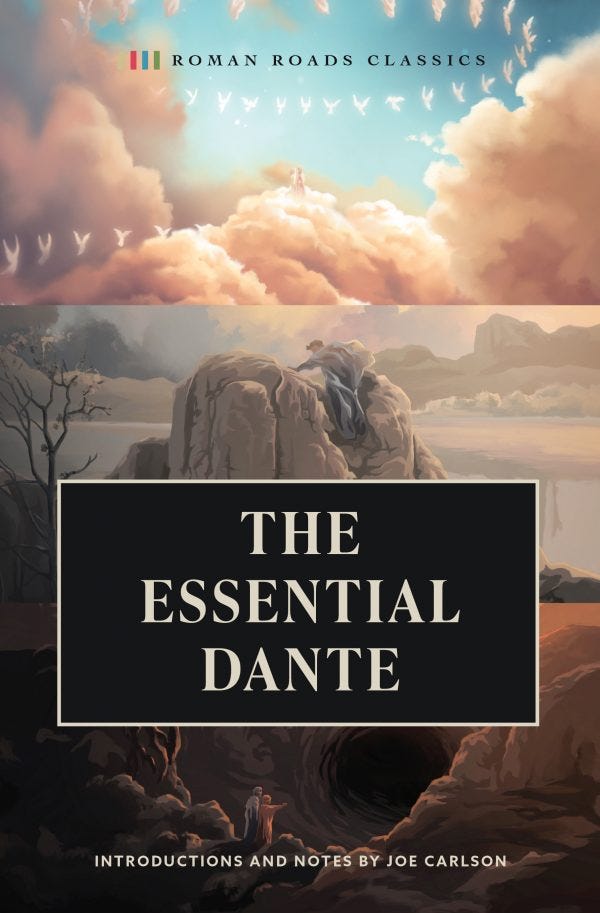
The Essential Dante
Most schools only assign The Inferno, which is a travesty. Students should experience the entire arc of damnation, salvation and sanctification by reading all of Dante’s Divine Comedy. However, let’s be realistic. Most students struggle mightily with Dante. Many adults do as well. Dante takes work, effort, and repeated readings. The Essential Dante is a helpful introduction to Dante. In includes selections from all three parts of the Divine Comedy (Inferno, Purgatorio, Paradisio). It is translated by Dante scholar Joe Carlson. Each canto also has introductory notes. I’m no Dante scholar, but I have read a couple of other translations of Dante, with helpful notes from other scholars, and Carlson’s notes have many insights that I had not encountered elsewhere. The volume also includes selections from Dante’s prose works, which help the reader to understand more of Dante’s world and worldview. This book is a sampler platter of appetizers that will give readers a taste for Dante, and will hopefully encourage them to come back in later years to experience the full feast!
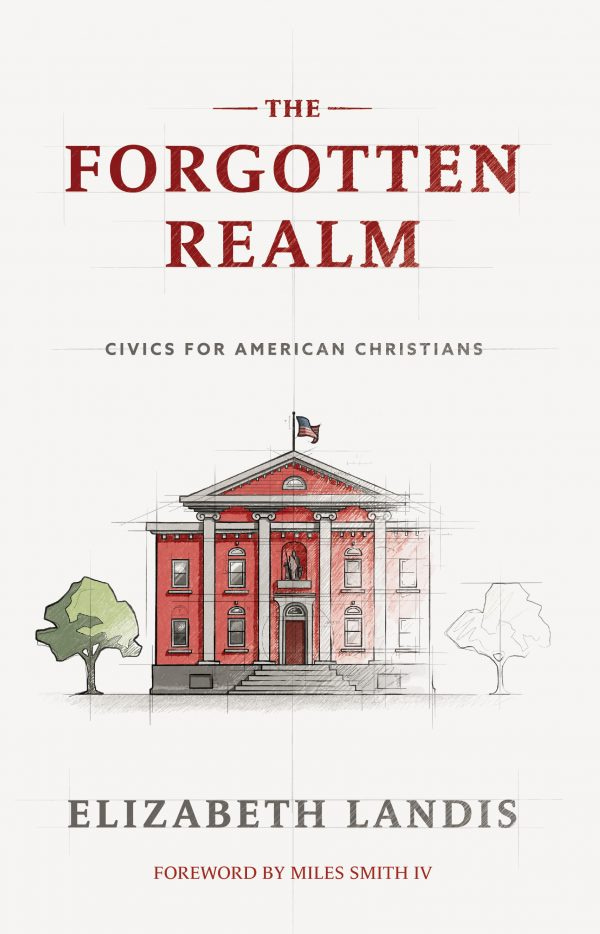
The Forgotten Realm - Recovering the Lost Art of Christian Statesmanship
This book is an introduction to Civics, and is a invitation to pursue the vitally important work of Christian statesmanship. We love to protest and complain about “big government” or “woke policies,” but most of us stay on the sidelines. Elizabeth Landis shows how each level of governement works, and includes practical action steps that students (and adults) can take to get involved in civic life. She practices what she preaches, and shares many of her own (and others’) experiences of civic engagement. As our politic life continues to fracture, the antidote is faithful Christian witness and engagement at every level of government.
Commonplaces
“If in earlier generations the persecution of heretics shamefully disfigured Christianity, today a laissez-faire relativism is no less serious a danger. Universalism may yet come to be seen as the distinctive twentieth-century heresy” (David F. Wright, “Heresy” in Encyclopedia of the Reformed Faith).
“The world that now participates in and celebrates the Olympics so enthusiastically and so intensely needs to remember that they used to be held in honor of Zeus. Also, dramas began with sacrifice to the god Dionysus. In short, almost all public life was wrapped up in the worship of pagan deities. So anyone who became a Christian but the social current and came to be classified as anti-social–actually opposed to or harmful to the existing social order” (Howard F. Vos, Nelson’s Illustrated Bible Manners & Customs, 479).
From the Archives
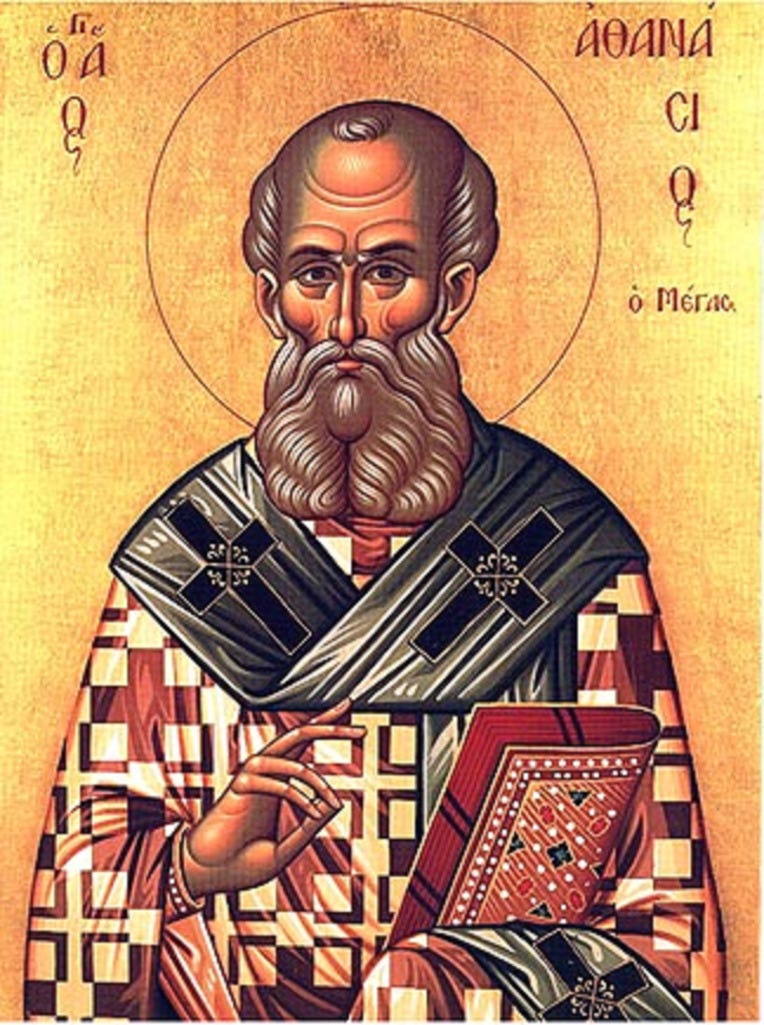
The feast day in remembrance of the church father Athanasius of Alexandria (c. 293-May 2, 373 AD) was last week. In honor of that, here’s a review I did a while back of John Tyson’s book The Great Athanasius.
Thanks for reading!